
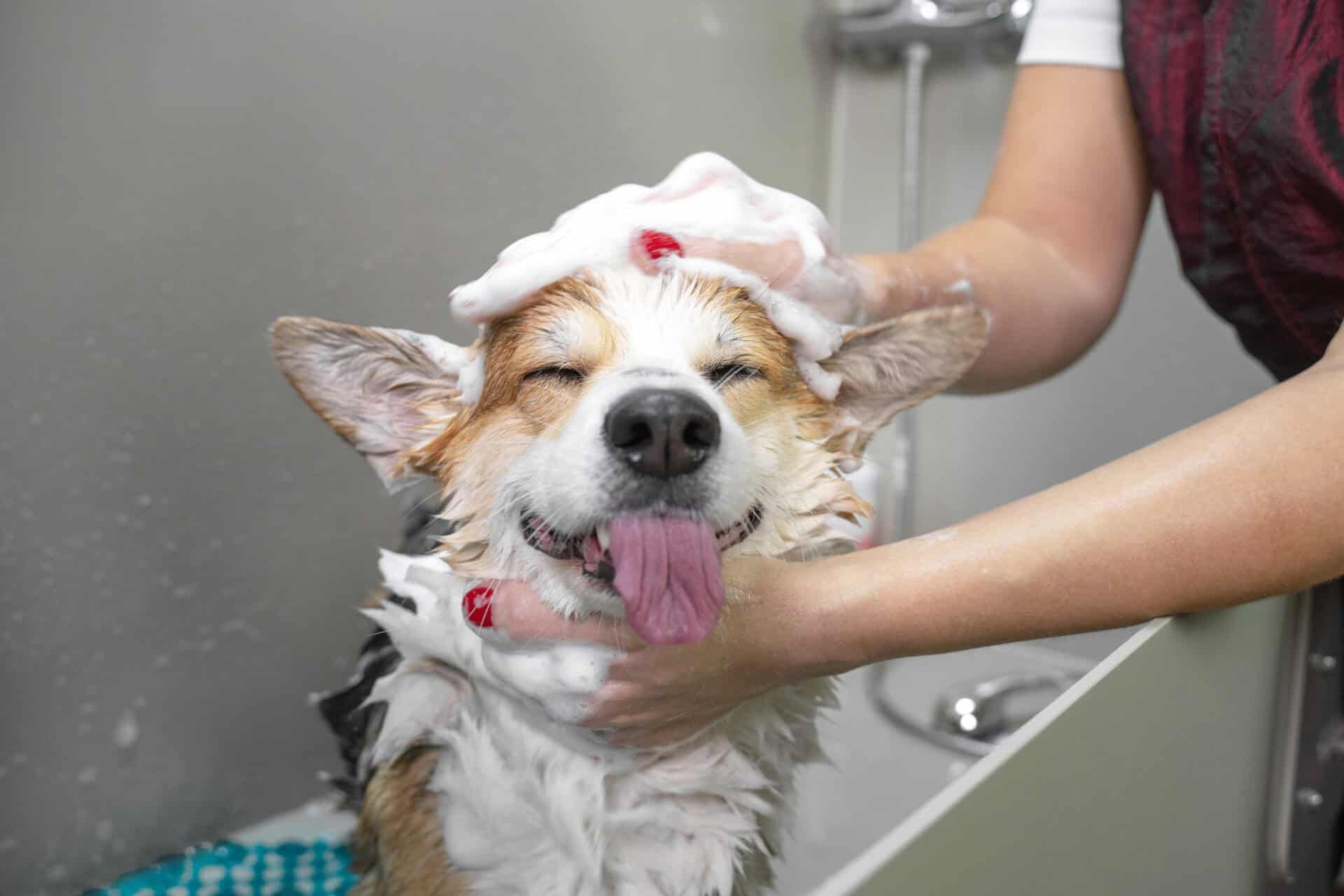
A puppy’s first grooming appointment is a big milestone. For many owners, it brings a mix of excitement and uncertainty. You want your puppy to look neat and feel comfortable, but you also want the experience to be calm, positive, and not too overwhelming. That is exactly why the first groom matters so much. It sets the tone for future appointments and helps your puppy begin to understand that grooming is a normal and safe part of life.
For Guildford dog owners, starting the grooming journey early can make a real difference. Puppies are still learning about the world around them, from new sounds and surfaces to handling and routine care. A first grooming visit introduces them to brushing, bathing, drying, trimming, and being gently handled by someone outside the home. When that introduction is done with patience and care, it helps build confidence rather than stress.
In this guide, we will walk through what usually happens during a puppy’s first groom, how to prepare beforehand, and what to look for when choosing the right groomer. If you are considering dog grooming in Guildford, it helps to know what your puppy needs from that first visit.
Why the first grooming appointment matters
The first grooming appointment is not just about getting a tidy face or soft coat. It is about creating a positive experience that your puppy can build on in future. Dogs remember early experiences, especially when they involve handling, unfamiliar people, and new environments. A rushed or overwhelming first appointment can make later grooming more difficult, while a gentle introduction can help a puppy feel more secure each time they return.
This matters for every breed, but it is especially important for puppies that will need regular grooming throughout their lives. Dogs with curly, wool, silky, or longer coats usually benefit from ongoing maintenance. If they learn early that brushing, bathing, and trimming are normal, it becomes much easier to keep them comfortable as they grow.
A good first groom also gives owners useful information. You can learn how your puppy responds to handling, whether they are sensitive around the paws or face, and what type of home maintenance will help between appointments.
What age a puppy should start grooming
Many puppies can begin the grooming process once they are old enough to safely attend and are ready for gentle handling, although exact timing can vary depending on breed, coat type, and vaccination guidance. In practice, the first appointment is often a short introduction rather than a full styling session.
The aim is to help the puppy become familiar with the experience. That may include being placed on the grooming table, having the coat lightly brushed, touching the paws, introducing the sound of dryers or clippers from a distance, and perhaps carrying out a gentle bath or tidy if suitable. It is usually more about confidence-building than achieving a finished look.
Starting earlier in a positive way often works better than waiting until the coat is overgrown and the puppy is older, stronger, and less comfortable with being handled. For breeds that are likely to mat, early appointments are especially helpful because coat care soon becomes part of normal life rather than an occasional event.
How to prepare your puppy before the visit
Preparation at home can help make the first appointment smoother. One of the best things you can do is get your puppy used to gentle handling before the day arrives. Touch their paws, lift the ears carefully, look around the face, and introduce short brushing sessions paired with praise. These little moments help your puppy understand that being handled is nothing to worry about.
It is also helpful to take your puppy for a toilet break before the appointment and keep the overall mood calm. Puppies often pick up on their owner’s emotions, so a relaxed handover can help set a reassuring tone. Avoid making too much fuss in a way that suggests something worrying is about to happen.
If your puppy has any sensitivities, medical concerns, or specific behavioural traits, let the groomer know in advance. Even small details can be useful. For example, whether your puppy is especially wriggly, shy with strangers, or unsure about being touched around the face can help the groomer tailor the session appropriately.
What happens during a first puppy groom
Every salon has its own process, but a good first puppy groom is usually gentle, simple, and adapted to the individual dog. The appointment may begin with a short settling-in period so your puppy can look around, sniff, and become familiar with the environment. From there, the groomer may start with brushing or light handling rather than jumping straight into a full wash or trim.
Depending on the puppy’s age and confidence, the session may include a bath, gentle drying, brushing, nail trimming, paw tidying, hygiene trimming, and a small face tidy if needed. Not every puppy will have every step done in the first appointment, and that is completely fine. A successful first visit is one where the puppy feels safe and supported, even if the groom is very light.
Some puppies are curious and confident from the beginning. Others need more reassurance, more breaks, and a slower pace. That is why patience matters. Good puppy grooming is not about rushing through a checklist. It is about reading the dog and building trust.
How groomers help nervous puppies feel comfortable
Puppies do not arrive knowing what grooming is. The sounds, equipment, and handling can all be unfamiliar, so the groomer’s approach matters enormously. Calm voices, gentle movements, and plenty of reassurance can help puppies settle far more effectively than forcing them through the process.
The best puppy grooming experiences are built around confidence, not speed. That may mean allowing the puppy time to pause, giving them space to process new sensations, or breaking the appointment into manageable stages. Praise and a calm atmosphere can go a long way, especially for puppies who are naturally more sensitive.
This is one reason many owners actively seek a groomer with experience in puppy introductions and nervous dogs. A calm first experience does not just make that day easier. It can shape how your dog feels about grooming for years to come. For puppies in particular, kindness and consistency are often what make the biggest difference.
Mistakes to avoid before your puppy’s appointment
One common mistake is waiting too long. Owners sometimes delay the first groom because they think their puppy is still too young or does not yet need much coat care. But by the time the coat begins to knot or cover the eyes, the puppy may be attending their first appointment with no prior introduction at all. That can make things harder than they need to be.
Another mistake is trying to do too much at home right before the visit. A little brushing practice is useful, but a stressful bath, a struggle with scissors, or an overly long brushing session can make the puppy more worried about handling. It is better to focus on calm familiarity than perfection.
It is also important not to assume every puppy should have the same type of first appointment. Breed, coat, confidence, and temperament all matter. Some puppies are ready for more, while others need a very light introduction. A good groomer will guide that process rather than applying a fixed routine to every dog.
When to book the next groom
Follow-up appointments are important because repetition helps turn a one-off experience into a routine. If there is a long gap after the first visit, your puppy may forget much of that early familiarity. Returning on a sensible schedule helps reinforce the idea that grooming is normal and predictable.
The right timing for the next appointment depends on the puppy’s coat and what happened during the first visit. For some puppies, a return visit within a few weeks helps build confidence while the experience is still fresh. For others, the schedule will be shaped more by coat growth and maintenance needs.
As your puppy matures, the grooming routine usually becomes easier to define. You and your groomer can decide how often appointments should happen based on coat condition, lifestyle, and how much brushing is being done at home. The key is staying consistent enough that the puppy continues to feel familiar with the process.
Choosing a puppy groomer in Guildford
Choosing the right groomer for your puppy is about more than finding someone local. You want a salon that understands how to introduce young dogs to grooming gently, reads their body language, and prioritises comfort as much as appearance. Puppies need patience, encouragement, and a calm environment where they are not rushed.
That can be particularly important for more sensitive breeds or puppies who seem uncertain in new situations. A groomer who takes time to tailor the appointment can help build trust from the start. It also gives you confidence as an owner because you know your puppy is being supported properly during an important early experience.
For owners looking into dog grooming in Guildford, it is worth choosing a groomer who is comfortable working with puppies, anxious dogs, and different coat types. The first visit should feel like the beginning of a relationship, not just a one-off service.
Giving your puppy the best possible start
A puppy’s first groom does not need to be perfect to be successful. What matters most is that the experience is calm, kind, and appropriate for your puppy’s stage of development. A positive first visit can help your dog become more relaxed with brushing, bathing, drying, trimming, and general handling over time.
That early foundation is valuable. It makes coat care easier, supports comfort as your puppy grows, and helps future appointments feel far less stressful. Whether your dog will need regular clipping, routine tidying, or simply occasional maintenance, starting well is one of the best things you can do.
If you are preparing for your puppy’s first appointment and want a calm, caring approach, Doggie Doodles offers gentle, personalised dog grooming in Guildford designed to help puppies feel safe, supported, and confident from the beginning.